Driving, Saudi Style

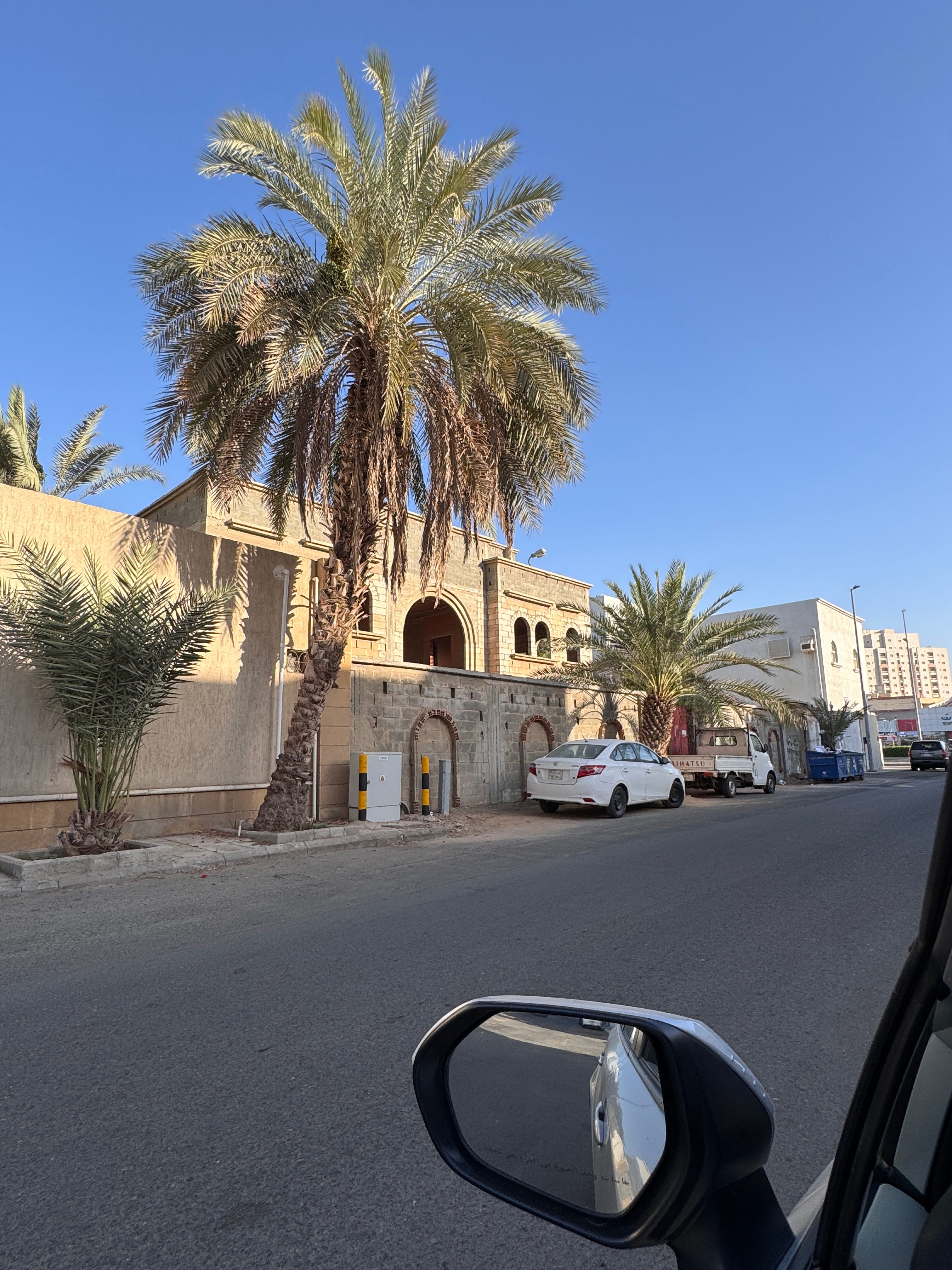
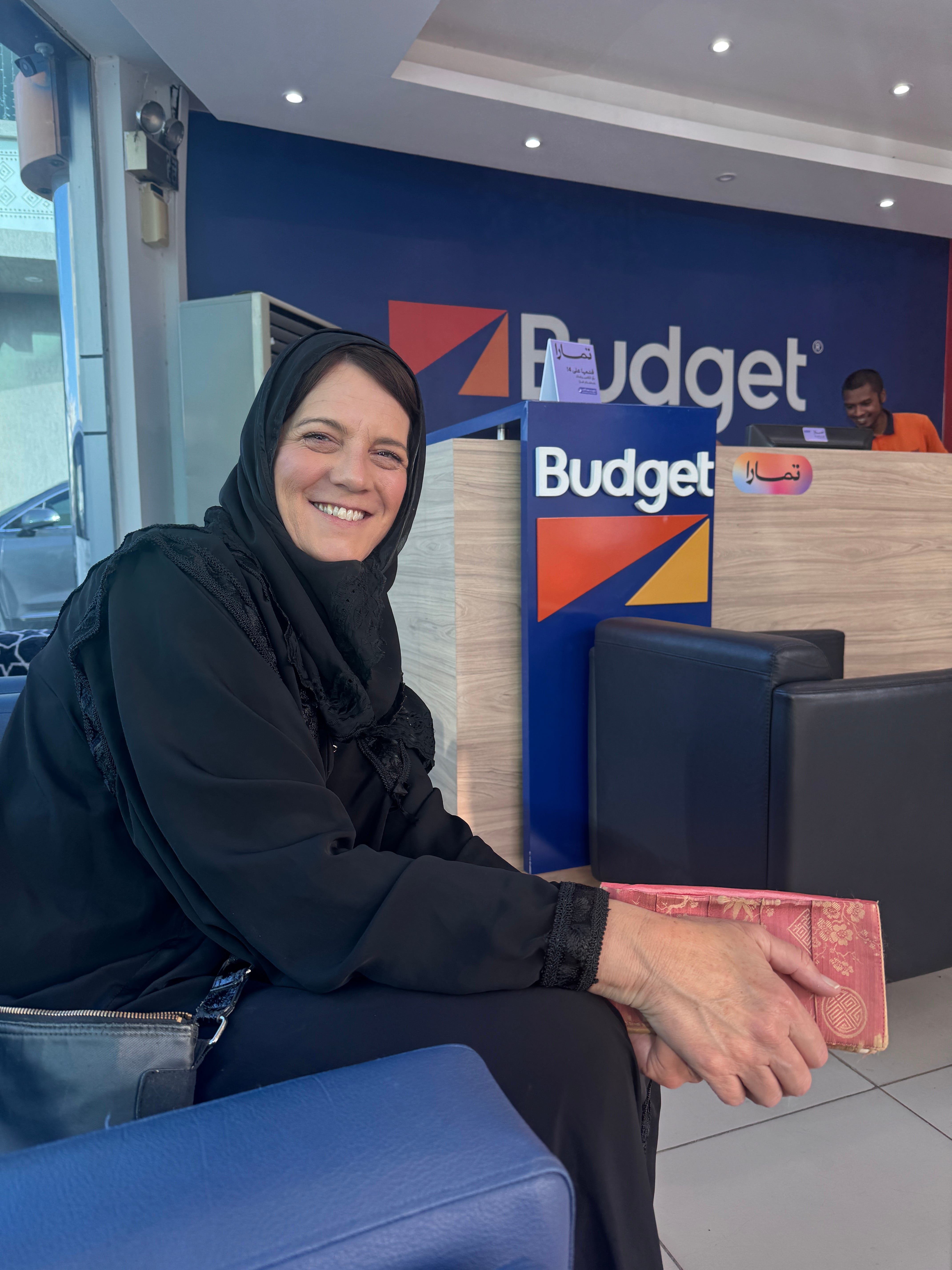
On my first day in Jeddah, I rented a car. I was delighted and smug, sitting in the office thinking something that once seemed like an impossible dream: I am a woman, renting my own car in Saudi Arabia.
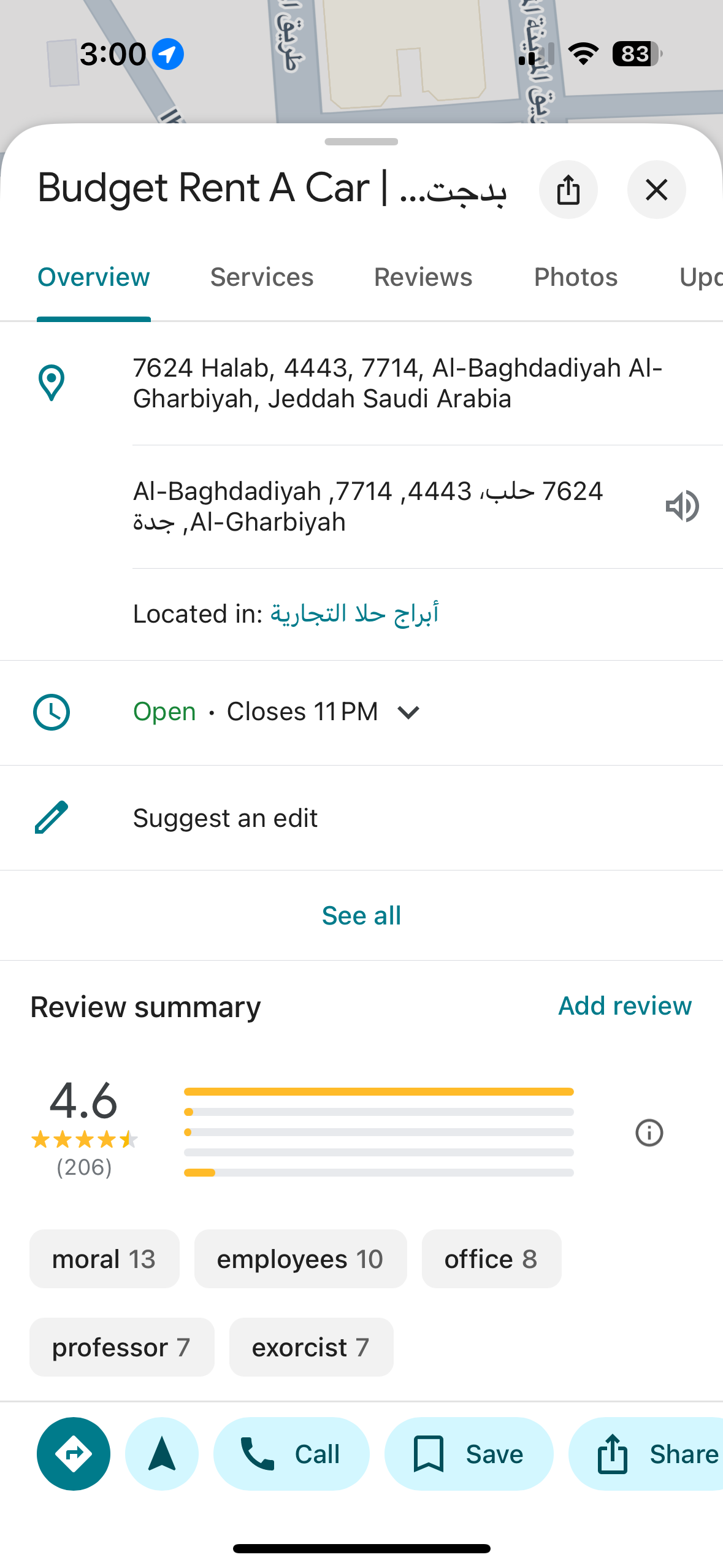
I was drawn to that car rental because the Google category boxes highlighted that the business was “moral,” but one of the categories had seven references to “exorcist.” I should have asked for more information, but a friend of mine used to be an exorcist and once told me it was rather common as a side hustle.
I was so pleased with myself, getting into the car, setting up Google Maps, pulling out into traffic. Within half an hour, I’d gone the wrong way down a one-way street—twice (thanks Google Maps) (and lack of street signs). My daughter said, “It’s totally fine, people will expect it because you’re a woman driver.”
Nobody honked.
My ex-husband had picked me up from the airport in a massive SUV—big enough for his family of twelve. He put me in the front seat, delighted to see me, and talked the whole way to my apartment. He didn’t pay any attention to the road. None. We survived, and I’m not even sure how. From this, I deduced that you were allowed to be a bad driver in Jeddah, and people would watch out for you.
My daughter told me later that he did pay attention. Every few minutes, he’d point at another car and say: Look, a woman driver!
Almost right away, I noticed a stark difference from San Francisco drivers: Everyone was paying attention, massively so. Nobody was on their phones. It felt a little old-fashioned, the way you could look at the car beside you, and people would look back.
By day three, I was terrified, crouched behind the wheel, jittery and confused. All it took was a couple of five-lane roundabouts to leave me shaken. Five lanes? Going in a circle? Who’s in the innermost lane and why? Are they trapped there?
I was convinced that I needed driving lessons—for Saudi—but I soldiered on. I had family to visit, research to do. But every foray into traffic felt like a special forces’ mission. Seven-lane freeways packed with speeding cars. Narrow mazes in the old city where you could get stuck for hours. The constant impulse to look out the side windows—at everything.
My biggest reason for driving was that my main character, Katya, does it now. My new book (forthcoming) is set in 2019, one year after driving was legalized for women. I wanted to know what it felt like to be behind the wheel in Jeddah as a newly-fledged female driver, experiencing the city in a brand-new way.
The only did one bad thing: I tried to shoulder into a crowded merge lane. I saw the police officer standing on the traffic divide, motioning me away, but I ignored him. If I didn’t get onto that street, it would add another hour to my trip home at the end of a very long day. As punishment for not listening to him, he took out his cell phone and took a picture of my car, with me and my daughter in the front seat, staring in disbelief. Nothing came of it.
In Jeddah, the alternatives to driving are grim: Walking in a mega-city, where the average daytime temperature is 90. Public transport is limited. In the past, I had no choice but to lean on my ex-husband for a ride, or hire a taxi, so despite the pressure, I’ll still take driving any day.